The Hidden Fire Risks of Outdated Cabling — and Why Fire-Resistant Data Cabling Matters
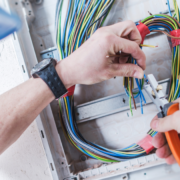
When most businesses think about fire safety, they picture smoke alarms, fire drills, and that one brave person who’s in charge of the extinguisher.  What rarely gets mentioned? The kilometres of cabling quietly running behind your walls.
Outdated or low-quality wiring doesn’t just slow down your network — it can also pose serious fire risks. Old PVC-jacketed cables can melt, release toxic smoke, or even help flames spread if they overheat.
It’s not the kind of “hotspot” anyone wants in their building.
In this post, we’ll explain why switching to fire-resistant data cabling such as LSZH (Low Smoke Zero Halogen) is one of the smartest safety and compliance moves your business can make.
Why Cabling Safety Matters
Every piece of technology in your business — from servers to CCTV and point-of-sale systems — depends on structured cabling. But these same cables often run above ceilings, behind walls, and through busy plant rooms, where they’re exposed to heat, dust, and electrical interference.
Old or low-grade cabling can:
- Melt easily when exposed to high temperatures.
- Release thick black smoke that reduces visibility during evacuation.
- Emit toxic halogen gases harmful to lungs and electronics.
- Catch or spread fire if insulation degrades or cables overheat.
Even if your network runs smoothly, outdated materials or poor installation could put your building — and the people in it — at risk.

Understanding LSZH and Fire-Rated Cabling
Modern safety standards recommend Low Smoke Zero Halogen (LSZH) or LS0H cabling for new installations. These cables are designed to:
- Produce very little smoke when exposed to fire.
- Release no halogen gases, which are corrosive and toxic.
- Maintain structural integrity longer, delaying the spread of flames.
In the UK and EU, LSZH cabling is now the standard for most commercial environments. It’s especially important in offices, schools, hospitals, and data centres — anywhere people or sensitive equipment could be affected by smoke.

How Outdated Cables Become Dangerous
If your network was installed 10–20 years ago, it may use PVC-jacketed cables that don’t meet current safety codes. Over time, these cables can:
- Degrade in heat or sunlight – causing brittle insulation that cracks.
- Become overloaded – when new devices are added beyond the original design.
- Create cable clutter – restricting airflow and increasing heat in racks.
- Short-circuit easily – if unshielded cables are damaged or bent.
Even if your IT systems work perfectly, unseen deterioration inside your walls could still pose a fire risk.
Compliance and Building Regulations
Fire safety for network cabling isn’t just best practice — it’s a compliance issue. Under UK and EU standards, data cables are classified by CPR (Construction Products Regulation) ratings, ranging from Class Fca (least fire-resistant) to B2ca (highest).
For most business premises, using cables rated Cca or better is recommended. These meet strict standards for flame spread and smoke production.
If your cabling hasn’t been updated recently, it may not meet current CPR or BS EN 50575 requirements. A cabling inspection can confirm compliance and highlight any safety gaps before they become a liability.
How to Reduce Fire Risks in Your Network
- Upgrade to LSZH or Cca-rated cabling
Replacing old PVC or unclassified cables with LSZH types immediately reduces toxic smoke and flame risk. - Schedule regular cabling inspections
Periodic testing can identify overheating, damage, or overcrowding in cable trays. - Maintain airflow around network equipment
Overloaded racks and power cables increase heat buildup. Good cable management prevents hotspots. - Label and organise cabling properly
Clearly labelled cables make it easier to isolate faults and prevent accidental disconnections during maintenance. - Work with certified installers
A professional installation includes fire-rated materials, correct containment, and proper separation from power circuits.
The Business Case for Safer Cabling
Upgrading to fire-safe cabling doesn’t just meet compliance — it protects people, data, and equipment.
- Lower insurance risks: Many insurers require LSZH or CPR-rated installations.
- Protects electronics: Halogen gases from burning PVC corrode metal connectors and servers.
- Reduces downtime: Fire damage in data networks can cripple operations for days.
- Peace of mind: A compliant, well-labelled network supports audits and future growth.

FAQs: Fire Safety and Data Cabling
Q1: How can I tell if my cabling is fire-rated?
Check the cable sheath for LSZH or CPR markings such as “Cca,” “Dca,” or “Eca.” If no markings are visible, it’s likely an older PVC type.
Q2: Is LSZH cabling required by law?
While not legally mandatory in all cases, LSZH or CPR-rated cabling is strongly recommended in most commercial buildings to meet safety and insurance standards.
Q3: Can I mix LSZH and PVC cables?
It’s possible but not ideal. For consistent fire performance and safety, your network should use one standard throughout.
Q4: What happens if a cable fire occurs?
PVC cables release corrosive halogen gases that can damage electronics and cause toxic fumes. LSZH cables minimise this risk significantly.
Q5: How often should cabling be checked for safety?
Every 3–5 years, or whenever your network equipment or building layout changes. Regular checks ensure compliance and prevent hidden hazards.
Protect your business with fire-resistant data cabling that meets UK safety standards.
Our certified installers can inspect your existing setup, identify risks, and upgrade your network using LSZH and CPR-rated materials.
Contact us today to arrange a site survey or request a no-obligation quote.