
Commercial Data Cabling Installation UK: What Businesses Need to Know Before Upgrading Their Network
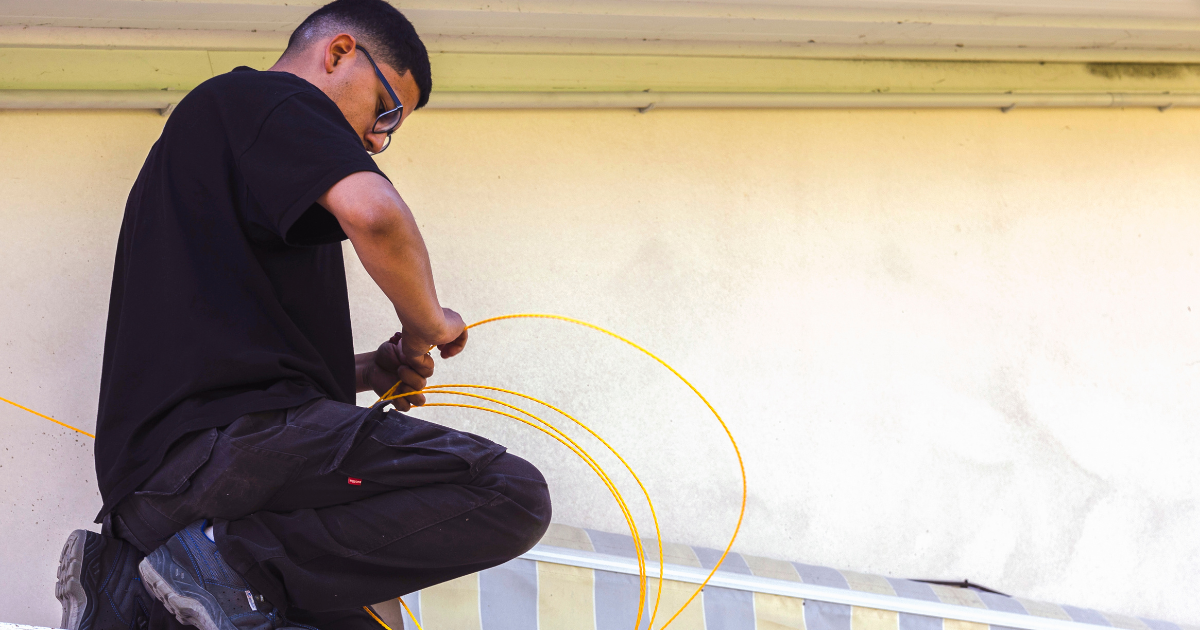 Why Commercial Data Cabling Still Matters in a Wireless World
It is easy to assume that modern offices run purely on WiFi. In reality, every reliable commercial network is built on structured cabling.
Wireless access points, VoIP systems, CCTV, access control, cloud services and high-speed data transfer all depend on a stable wired backbone. Without professionally installed commercial data cabling, performance drops, downtime increases and future expansion becomes difficult.
For businesses across the UK, investing in the right network cabling installation is not just about connectivity. It is about resilience, scalability and long-term cost control.
What Is Commercial Data Cabling Installation?
Commercial data cabling installation refers to the structured installation of copper and fibre optic cabling systems within business premises.
This includes:
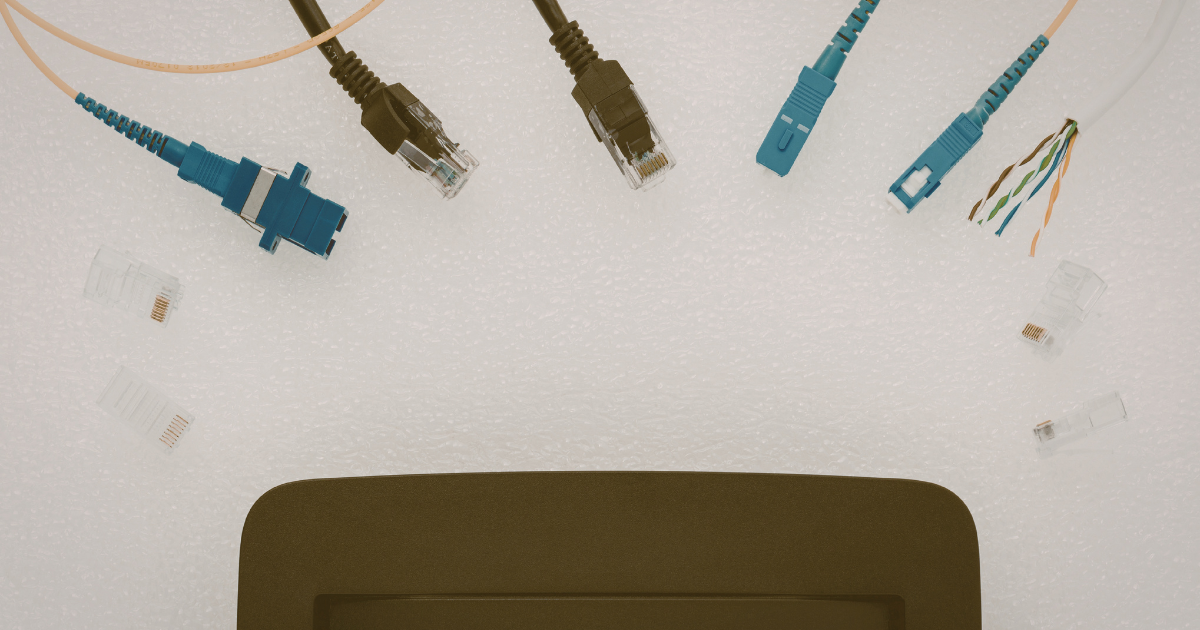
- Cat5e, Cat6 and Cat6a network cabling
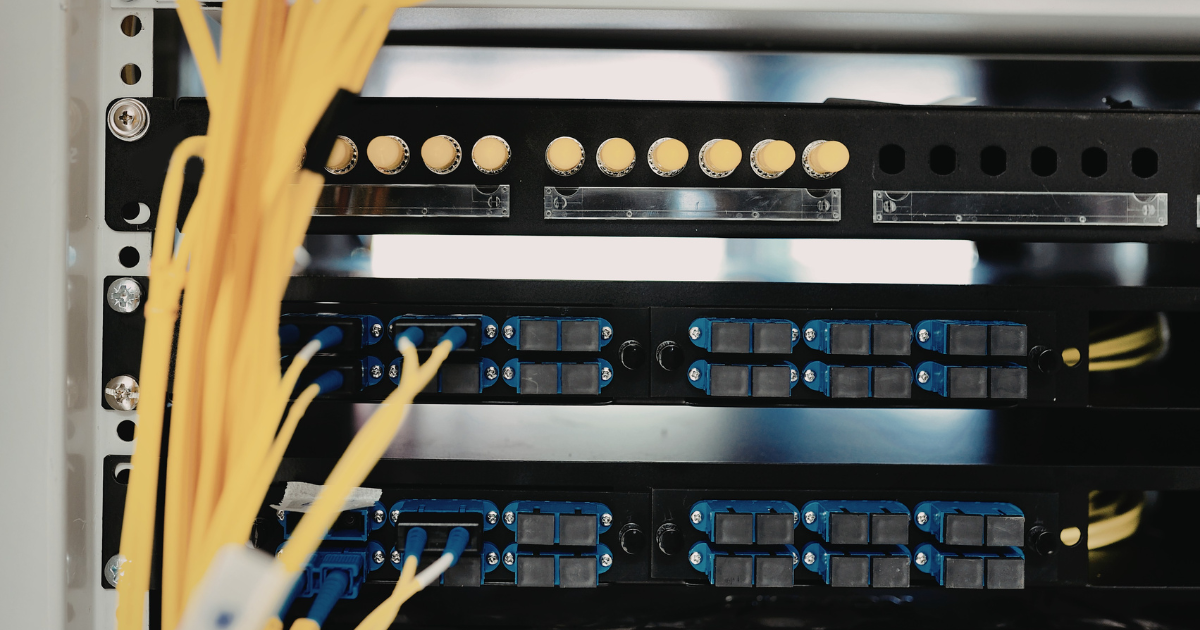
- Fibre optic backbone installation
- Patch panels and cabinets
- Containment systems
- Testing and certification
- Full structured cabling design
A properly installed system allows every device in the building to communicate reliably and at optimal speeds.
Why Structured Cabling Is Different From “Running Some Cables”
There is a significant difference between general electrical work and structured cabling carried out by experienced contractors.
Structured cabling contractors follow recognised standards to ensure:
- Correct cable separation
- Minimal interference
- Safe containment
- Proper labelling
- Future expansion capability
- Performance testing and certification
Poor installation often leads to slow speeds, packet loss, intermittent faults and expensive troubleshooting later.
When installed correctly, a structured cabling system should last 10 to 20 years.
Cat6 or Fibre Optic: What Should Your Business Choose?
One of the most common questions businesses ask is whether they need Cat6 cabling or fibre optic installation.
Cat6 and Cat6a Cabling
Suitable for:
- Office workstations
- VoIP telephony
- General business connectivity
- Moderate to high bandwidth environments
Cat6a is often preferred in modern installations as it supports higher speeds and reduces crosstalk.
Fibre Optic Installation
Fibre is ideal for:
- Large buildings
- Multi-floor premises
- Data-heavy environments
- Long cable runs
- High-speed backbone connections
Many commercial projects use a hybrid approach, combining fibre backbones with Cat6 horizontal cabling.
A professional data cabling company will assess the building layout and current requirements before recommending the right solution.
Signs Your Office Network Infrastructure Needs Upgrading
Businesses often delay upgrading their network until problems become unavoidable.
Common warning signs include:
- Slow file transfers
- Dropped VoIP calls
- Inconsistent WiFi performance
- Frequent network outages
- Expansion limitations
- Poor cable management
If your cabling has been added to over the years without a structured plan, it may be time for a full assessment.
Planning a Commercial Network Upgrade?
If you are experiencing performance issues or planning an office move or refurbishment, a structured cabling assessment can help identify bottlenecks and future requirements.
Speaking with experienced commercial data cabling contractors early in the planning process often prevents costly redesigns later.
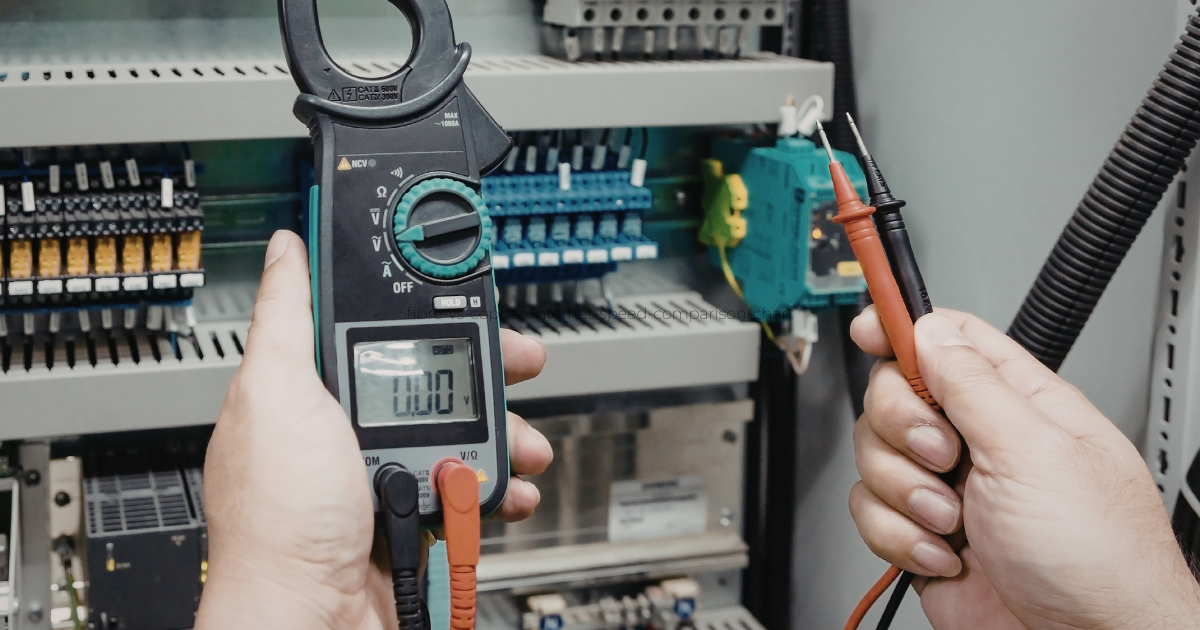
The Importance of Testing and Certification
Professional commercial data cabling installation does not stop once the cables are in place.
Each cable should be:
- Performance tested
- Verified against standards
- Labelled clearly
- Documented for future maintenance
Certification ensures that your network performs to the expected specification and provides proof of quality for compliance and insurance purposes.
 Minimising Disruption During Installation
For many businesses, downtime is the biggest concern.
Experienced structured cabling contractors will:
- Plan installations outside working hours where required
- Phase projects to avoid full shutdowns
- Pre-test and pre-terminate where possible
- Coordinate with IT teams
With proper planning, commercial network cabling installation can be completed with minimal disruption.
Why Choosing the Right Data Cabling Company Matters
When selecting a data cabling company in the UK, consider:
- Experience in commercial environments
- Understanding of structured cabling standards
- Ability to scale projects
- Clear communication
- Full testing and documentation
The lowest quote is rarely the most cost-effective long term.
Poor installation may require rework, cause downtime and limit future upgrades.
Future-Proofing Your Network Infrastructure
Technology continues to evolve rapidly.
A forward-thinking installation should consider:
- Increased bandwidth demand
- Hybrid working
- Cloud-based systems
- Security systems
- Smart building integration
Upgrading your commercial data cabling now can prevent repeated disruption later.
 Commercial Data Cabling Installation UK – Planning Your Next Project
Whether you are:
- Moving office
- Refurbishing a building
- Expanding operations
- Upgrading outdated infrastructure
A professionally designed structured cabling system provides the foundation your business depends on.
If you are planning a network upgrade or new installation, working with experienced commercial data cabling contractors ensures performance, compliance and reliability.
Frequently Asked Questions
How long does commercial data cabling installation take?
The timeframe for a commercial data cabling installation depends on several factors, including the size of the premises, the number of data points required, the type of cabling being installed, and whether the building is occupied during the works.
A small office installation with 20–30 data points may take a few days, while a multi-floor commercial project involving fibre optic backbones, cabinets and structured containment systems may take several weeks.
A professional data cabling company will begin with a site survey and provide a clear project plan outlining timescales, phasing and any anticipated disruption. Many installations can be carried out in stages or outside normal business hours to minimise downtime. Proper planning is essential to ensure the installation is completed efficiently and safely.
Is Cat6 enough for modern office network requirements?
Cat6 cabling remains suitable for many office environments and can support high-speed network traffic for workstations, VoIP phones, printers and wireless access points. However, many businesses now choose Cat6a, which offers improved performance, reduced interference and greater bandwidth capacity.
The right choice depends on factors such as building size, expected data usage, server capacity and future expansion plans. In larger buildings or environments where data transfer demands are high, fibre optic cabling may be recommended as a backbone solution, with Cat6 or Cat6a used for horizontal distribution.
A structured cabling assessment ensures the system is designed not just for current requirements but for long-term growth.
Can data cabling be installed without shutting down our business operations?
In most cases, yes. Experienced structured cabling contractors understand that downtime can be costly and disruptive. Installations can often be phased to allow sections of the network to remain live while work is carried out in other areas.
Work can also be scheduled outside normal business hours, during evenings or weekends, depending on the project scope. Pre-termination, pre-testing and clear coordination with internal IT teams can significantly reduce disruption.
Clear communication and a detailed installation plan are key to ensuring business continuity throughout the project.
How long should structured cabling last?
A professionally installed structured cabling system should last between 10 and 20 years, depending on the specification and quality of the installation. Unlike short-term fixes or ad hoc cable runs, a properly designed network infrastructure is built to support long-term performance and scalability.
Investing in higher specification cabling, such as Cat6a or fibre optic solutions where appropriate, can extend the lifespan of the installation and reduce the need for frequent upgrades.
Regular inspections, proper cable management and adherence to installation standards also contribute to system longevity.
What is included in a professional commercial data cabling installation?
A complete commercial data cabling installation typically includes:
- Site survey and consultation
- Network design planning
- Supply and installation of Cat6, Cat6a or fibre optic cabling
- Installation of containment systems and cabinets
- Termination and labelling
- Testing and certification
- Documentation for future maintenance
Testing and certification are particularly important. Each installed cable should be tested to verify performance against recognised standards. This ensures the network performs as expected and provides documentation for compliance and future troubleshooting.
How much does commercial data cabling installation cost in the UK?
The cost of commercial data cabling installation varies depending on the scale and complexity of the project. Factors that influence pricing include the number of data points required, building size, accessibility, containment requirements and whether fibre optic cabling is included.
While it can be tempting to focus on the lowest quote, it is important to consider long-term reliability and compliance. Poorly installed cabling can lead to performance issues, network downtime and expensive remedial work.
A professional data cabling company will provide a clear quotation following a site assessment, outlining materials, labour and testing included in the scope.
Why is structured cabling important for future-proofing our business?
Technology demands continue to increase, with businesses relying more heavily on cloud systems, video conferencing, remote collaboration and security infrastructure.
A structured cabling system provides the foundation for all of these technologies. Without a properly designed backbone, businesses may struggle with bandwidth limitations, unreliable connectivity and limited scalability.
Planning ahead during installation allows room for expansion, additional data points and integration with emerging technologies, reducing the need for major upgrades in the near future.
Commercial Data Cabling Installation UK – Request a Site Assessment
Whether you are moving office, refurbishing an existing building or upgrading outdated infrastructure, a professionally designed structured cabling system provides the foundation your business depends on.
Every commercial environment is different. Building layout, bandwidth requirements and future growth plans all influence the right solution.
If you are planning a commercial data cabling installation anywhere in the UK, speak to our team to arrange a site assessment and quotation. We provide structured cabling design, installation, testing and certification tailored to your operational needs.
Contact us today to discuss your project.